
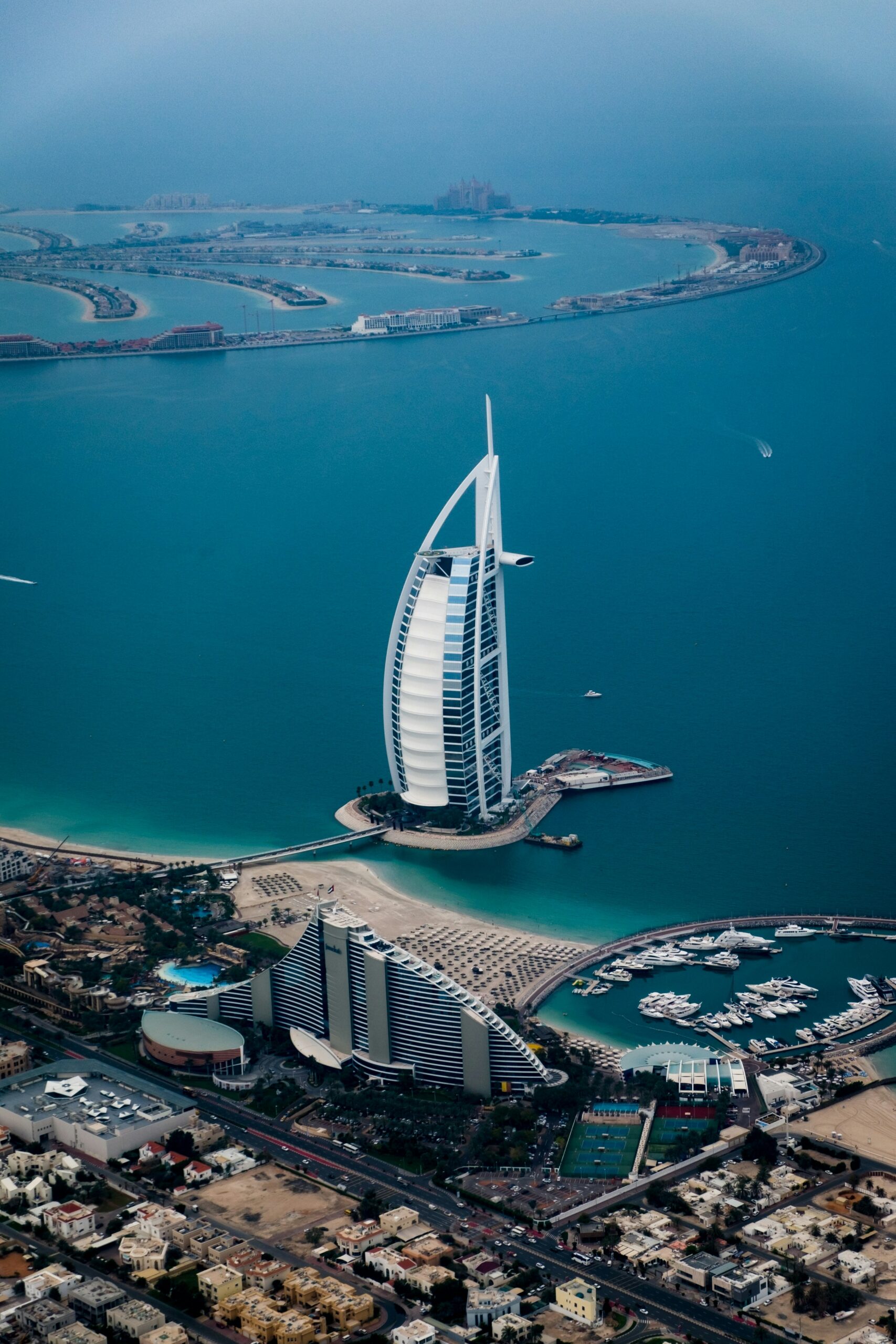
Why People Buy Property in Dubai — and why some projects still get it wrong: understanding the real motivations behind one of the world’s hottest real estate markets.
Over the past few years, Dubai has quietly transformed from a speculative real estate destination into something far more structured—and far more global. Prices have surged, demand has deepened, and buyers have become more diverse than ever.
Between 2022 and early 2025 alone, property prices in Dubai rose by nearly 60%, driven largely by foreign investment, migration, and policy shifts.
At the same time, transaction volumes hit record highs, with billions flowing into residential assets. On the surface, it looks like a simple story: People are buying because Dubai is booming.
But that’s only part of the picture.
The Real Question Isn’t Why Dubai, It is Why This Property, Right Now?
Because buyers in Dubai are not a homogeneous group.
These buyers fall into distinct groups: global investors seeking capital preservation, professionals relocating for career opportunities, high-net-worth individuals looking for exclusive assets, second-home seekers valuing lifestyle change, and long-term residents prioritizing community and stability. Each segment is driven by different motivations.
The Four Real Drivers behind Property Buying in Dubai
- Capital Safety and Global Mobility: Dubai is not just a real estate market. It is a gateway city. Factors such as zero personal income tax, Investor-friendly regulations, and residency-linked property ownership have made Dubai a preferred destination for global capital. For many buyers, a property here is not just a home. It is a financial anchor in a globally connected city.
- Post-Pandemic Migration and Lifestyle Shift: After COVID, Dubai positioned itself as one of the most open, accessible, and business-friendly cities in the world. As a result, it began attracting entrepreneurs, remote workers, and global professionals. Population growth and infrastructure expansion have further strengthened long-term real estate demand. For this segment, buying property is not speculative. It is a lifestyle-driven relocation.
- Rental Yield and Investment Logic: Dubai offers some of the most attractive rental yields globally. And with nearly 65% of transactions being off-plan, a significant portion of buyers are investing in future value rather than immediate use. This means buyers are evaluating future perception, not just current features, and are envisioning property value appreciation over the next 5-10 years.
- Aspirational Living and Global Identity: Dubai has steadily emerged as a symbol of prosperity, a luxuriant lifestyle, and unparalleled infrastructure, becoming a land promising scale, ambition and opportunity. Owning property here is as much about identity and status as it is about utility.
In Times of Conflict
The ongoing geopolitical tensions in West Asia have begun to influence sentiment and recalibrate perceptions of a safe, abundant life in this gleaming jewel in the desert. Right now, buyers are adopting a wait-and-watch approach, property price negotiations are becoming more aggressive, and mid-segment demand is expected to soften temporarily. Since the conflict has a global impact, with many nations staring down an impending recession and a steep inflation spike, property investments are bound to look speculative.
Today, buyers in the Dubai real estate market are asking:
- Is it safe to invest in such uncertain times?
- Does this align with my long-term lifestyle plans?
- Will this hold value if market conditions shift?
- Why this project over the dozens of others launching right now?
- Can I clearly understand what I am buying into?
Did you see how the fundamental question in Dubai’s real estate market has changed from what to buy to why to invest?
What does this geopolitical crisis mean for Developers and Marketers in Dubai?
When markets are rising, most everything sells. When markets become uncertain, only what is clearly understood sells. This is where real estate project communication in Dubai has to focus.
The Communication Gap in Dubai Real Estate
At present, across projects, the language remains familiar:
- Luxury living
- Premium lifestyle
- World-class amenities
But here’s the problem: None of these answers what the buyer is actually evaluating.
As Dubai’s real estate market matures and navigates murky waters, it is moving from speculation to structured investment, from hype to evaluation, and from impulse to intent. And in such a market, generic language loses power.
This Is Where Narrative Becomes Strategy
The projects that will stand out are not necessarily the most luxurious. They are the ones who can clearly articulate:
- Who they are for
- What makes them different
- Why they matter now
- How they fit into the buyer’s life or portfolio
Because in a global, competitive, and slightly uncertain market, buyers don’t choose the best project. They choose the one they understand the most.
A long-term perspective
Dubai will continue to attract capital, talent, and ambition. That is unlikely to change.
What will change is how decisions are made.
As the market evolves, clarity will begin to outperform excess. And in that shift, the projects that are better articulated will always be better received.
If your project is strong but not converting as it should, it may not need more marketing. It may need clearer articulation of what it truly stands for.
Author: Pawan Sharma is the Founder & CEO of Decision Tree Consulting, a brand and narrative consultancy focused on real estate projects.
